



Selecting the Perfect Plastic Electronic Enclosure Case Kit

Best purchase I’ve made this winter! The color and knitting are exquisite and it’s so comfy! Went from NYC to Miami without ever taking it off. Super cute!!
You are mounting a temperature sensor on an exterior wall. Rain, sun, and temperature swings will test your choice. How do you pick the right case? Focus on three non-negotiables: material properties (dielectric strength, thermal stability, UV/chemical resistance), internal dimensions (PCB clearance, connector space), and protection level (IP or NEMA rating). The best solution balances these factors with your budget and customization needs.
The global market for plastic electronic enclosure case kit products reached USD 27.94 billion in 2025. Analysts project USD 44.40 billion by 2035, a 4.74% CAGR. This growth signals rising demand for dependable enclosures across industries.
Reliable enclosures protect your electronic components while fitting your layout. Measure your PCB, check connector heights, and verify the rating matches your exposure. A thoughtful selection prevents costly failures later.
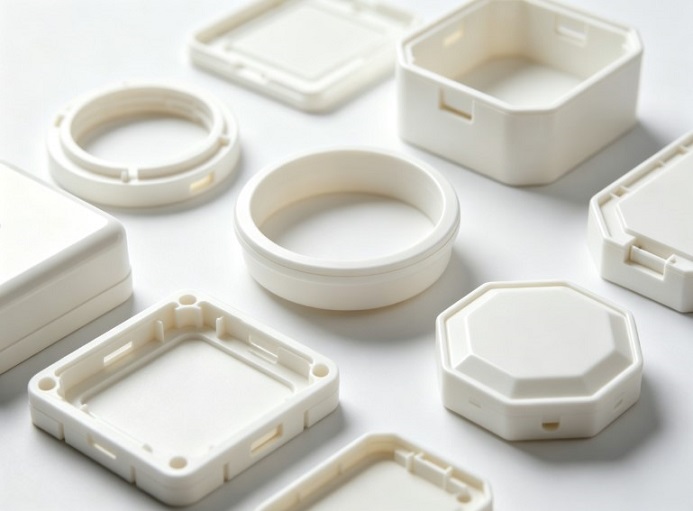
Key Takeaways
-
Choose polycarbonate for outdoor use and ABS for indoor prototypes.
-
Measure your PCB and add clearance for connectors and standoffs.
-
Match IP or NEMA ratings to your actual environment.
-
Compare total cost, not just price, including long-term reliability.
-
Select a brand with strong support and warranty.
Plastic Electronic Enclosure Case Kit Materials
Choosing the right material for your plastic electronic enclosure case kit determines how well your device survives its environment. Three plastics dominate the market: polycarbonate, ABS, and PVC. Each offers distinct trade-offs in strength, cost, and workability. Understanding these differences helps you make an informed decision that matches your specific application requirements.
Best Plastics for Electronic Enclosures
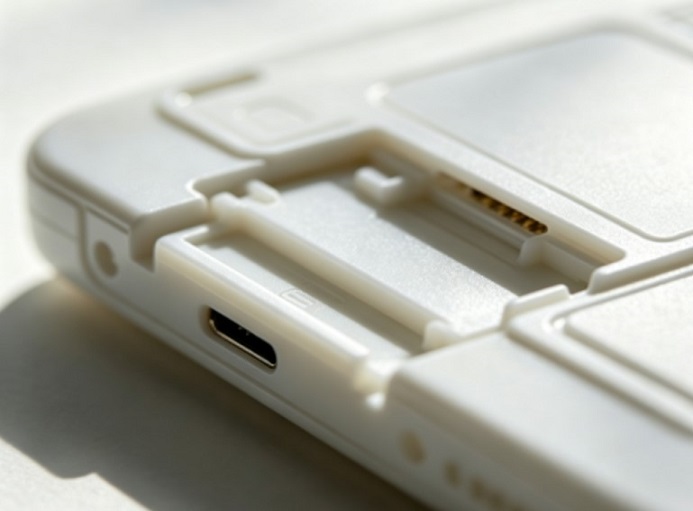
Polycarbonate stands as the premium choice for demanding applications. You get excellent impact resistance and thermal stability. The heat deflection temperature for polycarbonate ranges from 125°C to 140°C. This material handles high-temperature environments better than most alternatives. Izod impact strength reaches 12 ft-lb/in for polycarbonate grades suitable for UL 50 or IP66 enclosures. That toughness makes polycarbonate ideal for industrial settings or outdoor installations where accidental impacts occur. The higher cost pays off when reliability matters most. Manufacturers also offer UV-stabilized grades for extended outdoor exposure.
ABS offers a budget-friendly alternative. Its heat deflection temperature ranges from 80°C to 100°C. Izod impact strength measures 4 ft-lb/in for ABS grades intended for general use. You can machine ABS easily with standard tools. For prototypes or indoor applications with moderate temperatures, an ABS plastic electronic housing kit works well. However, you must consider the lower thermal tolerance if your device generates heat internally. ABS also costs less than polycarbonate, making it attractive for high-volume production runs.
PVC provides good chemical resistance and low cost. It suits applications where corrosion resistance matters more than impact strength. PVC cases work well for indoor stationary equipment. You can also find PVC formulations with flame-retardant additives for safety-critical applications.
|
Property |
Polycarbonate |
ABS |
|---|---|---|
|
Heat Deflection Temperature |
125-140°C |
80-100°C |
|
Impact Strength (Izod) |
12 ft-lb/in |
4 ft-lb/in |
Key Properties for Outdoor and Indoor Use
Dielectric strength defines how much voltage the enclosure wall can withstand without conducting. You need higher values for power circuits or high-voltage circuits. Material thickness and composition affect this property directly. Thicker walls provide greater insulation. For low-voltage signal circuits, standard material thickness works fine.
Thermal stability determines whether the enclosure maintains its shape under load at elevated temperatures. The heat deflection temperature gives you a clear benchmark. For outdoor use in direct sunlight, choose polycarbonate. Its higher deflection temperature ensures the case does not warp on hot days. ABS works for shaded indoor locations where ambient temperatures stay below 80°C. Review your device's internal heat generation as well.
Impact resistance protects your components from physical damage. Polycarbonate absorbs three times the impact energy of ABS based on the Izod values. For outdoor enclosures exposed to hail, falling branches, or vandalism, polycarbonate provides reliable protection. This property alone often justifies the higher material cost for outdoor applications. For indoor use with minimal handling, ABS offers sufficient protection.
UV tolerance prevents degradation from sunlight exposure. Polycarbonate grades with UV stabilizers resist yellowing and embrittlement over years of outdoor use. ABS degrades faster under UV exposure unless you add a protective coating. For indoor plastic electronic enclosures, UV resistance matters less. You can select ABS or PVC without concern.
Chemical resistance varies by plastic. ABS resists mild acids and bases. Polycarbonate performs well against oils and greases. PVC excels with strong acids and alkalis. Match the material to the chemicals your enclosure encounters. This step prevents surface degradation and structural failure over time.
The combination of these properties determines the optimal material for your specific application. Evaluate each property against your operating environment. A mismatch between material and exposure leads to premature failure. Investing in the right material upfront saves you replacement costs later.
Selecting the correct material helps you enhance enclosure performance by matching the plastic's strengths to your environmental challenges. The right choice extends the life of your assembly and reduces field failures.
Size and Internal Dimensions
Sizing Your Enclosures for PCB Fit
A plastic electronic enclosure case kit must match your component dimensions. Start by measuring your circuit board. Record the width, length, and height of the tallest component. Add clearance on every side. A practical guideline adds 5 mm to 10 mm of space around the board. This gap supports airflow and prevents pressure on components during assembly. The extra space also simplifies board insertion and removal.
Internal height causes the most sizing mistakes. You might choose a case that fits the board width but leaves too little room for tall parts. Transformers, large capacitors, and terminal blocks need extra vertical space. Measure the tallest component on your board. Add at least 2 mm to 3 mm of clearance above it. This gap prevents the lid from pressing against sensitive components. A height gauge gives you accurate measurements for this step.
Standoffs raise the PCB above the enclosure floor. They provide electrical isolation and prevent short circuits. Measure the standoff height and add it to your total height calculation. A standard standoff adds 6 mm to 8 mm of height. The combined height of standoffs and the tallest component must fit within the internal depth. Overlooking this detail leads to enclosures that do not close properly. You can find standoffs in various heights for different board thicknesses.
Accounting for Connectors and Mounting Points
Connectors add height beyond the board edge. Power connectors, USB ports, and RJ45 jacks often protrude outward. Measure these extensions carefully. They determine the minimum internal width of your case. A connector that sticks out 15 mm from the board edge requires an extra 15 mm of enclosure width. Include the connector body and any cable strain relief in your measurement.
Cable entry points affect your layout planning. You need space for cable glands or strain relief fittings. These components add to the external dimensions. They also require internal clearance. Plan the location of each entry point. Leave room for your hands to route cables and tighten fittings during assembly. Mark the entry points on your enclosure drawing before ordering.
An ABS plastic housing kit might have standard dimensions for common board sizes. Always verify the internal depth against your component height. Modular designs simplify the sizing process. A modular DIY electronics enclosure kit lets you adjust internal layout. You can choose different base depths or add expansion sections. This flexibility helps you match the case to your component layout. The right internal dimensions prevent assembly problems. Add 5 mm to your final measurements for safety margin.
Protection Ratings and Environmental Resistance
Your enclosure must withstand the conditions where you install it. Rain, dust, humidity, and chemicals can destroy unprotected electronics. Protection ratings tell you exactly how well the case resists these threats. Understanding IP and NEMA systems helps you choose the right level for your application.
Understanding IP and NEMA Ratings
IP stands for Ingress Protection. The standard uses two digits. The first digit (0 through 6) rates protection against solid objects and dust. A rating of 6 means complete dust protection. The second digit (0 through 9K) rates protection against water. IP68 guarantees complete dust sealing and continuous immersion beyond one meter. IP66 confirms protection against powerful water jets. An enclosure with IP66 withstands a water jet at 100 kPa pressure and 100 liters per minute flow from one meter distance for three minutes.
NEMA standards cover broader environmental conditions. NEMA 4X includes protection against hose-directed water and corrosion. The test uses different parameters than IP66. NEMA 4X directs water at 31 kPa pressure and 240 liters per minute flow from a 1-inch hose at three meters distance. The two tests are similar but not equivalent. IP66 uses higher pressure with lower volume. NEMA 4X uses lower pressure with higher volume from a larger hose.
|
Standard |
Water Test Parameters |
|---|---|
|
IP66 |
3 minutes under a water jet at 100 kPa / 100 liters per minute at a distance of 1 meter |
|
NEMA 4 / 4X |
Hose-directed water at 31 kPa / 240 liters per minute from a 1-inch hose at a distance of 3 meters |
The key difference goes beyond water testing. IP66 confirms dust and water-jet protection. It does not confirm that the enclosure body, hardware, or finish resist corrosive environments. NEMA 4X includes corrosion protection in the enclosure type. This makes NEMA 4X the safer choice in salt air, wastewater, chemical exposure, or aggressive washdown environments.
IP66 is mainly an ingress rating, while NEMA 4X carries broader environmental meaning. If dust and water are the only concerns, they can seem close. If corrosion is part of the environment, NEMA 4X is usually the safer choice.
Enclosures for Outdoor Harsh Environments
Outdoor enclosures need more than a rating number. Gaskets create a seal between the lid and the base. Cable glands seal every wire entry point. UV stabilizers protect the plastic from sunlight degradation over years of exposure. These features determine whether your assembly survives its first season or lasts a decade.
Gasket material selection directly affects long-term sealing performance. Silicone offers an operating temperature range from -60°C to +230°C. It provides excellent UV, ozone, and weathering resistance. While silicone has lower abrasion resistance than some alternatives, it delivers superior long-term compression set. This means the gasket maintains its shape and sealing force over time. EPDM handles temperatures up to approximately 150°C. It offers strong UV and ozone resistance with better abrasion resistance than silicone. Both materials work well for outdoor electronic enclosures. Avoid neoprene and polyurethane gaskets for outdoor applications. They degrade under prolonged UV and ozone exposure.
|
Material |
Temperature Range |
UV/Ozone/Weathering Resistance |
Abrasion Resistance |
Compression Set |
|---|---|---|---|---|
|
Silicone |
-60°C to +230°C |
Excellent |
Lower |
Superior long-term |
|
EPDM |
Up to ~150°C |
Strong |
Better |
Not specified |
A plastic electronic enclosure case kit designed for outdoor use should include quality gaskets and UV-stabilized material. Check the gasket material specification before you buy. Silicone gaskets provide the best reliability for extreme temperature ranges. EPDM gaskets work well for moderate climates with less temperature variation. The right gasket combined with proper cable glands creates a sealed system that prevents moisture entry.
Outdoor exposure also tests weather resistance. UV-stabilized polycarbonate resists yellowing and embrittlement. Standard ABS degrades under sunlight unless you add a protective coating. An ABS plastic electronic housing kit works well for indoor use but requires extra protection for outdoor installations. A modular DIY electronics enclosure kit lets you add cable glands and ventilation options as needed. Match the material and gasket choices to your specific installation environment. A thoughtful selection prevents premature failure and reduces maintenance costs over the product life.
Customization and Assembly Options
Your enclosure choice extends beyond material and size. You must decide how much customization you need before purchase. This decision shapes your assembly experience and long-term flexibility.
Pre-Drilled Kits vs. Do-It-Yourself Modifications
Pre-drilled kits arrive with holes, cutouts, and mounting points already in place. You save time and avoid measurement errors. Manufacturers use precision tooling to create consistent openings. These kits suit production runs where every unit matches the same specification. You also avoid the risk of cracking plastic during drilling.
DIY modifications offer complete flexibility. You can drill holes, cut openings, or add features after delivery. This approach suits prototypes and custom layouts. You need the right tools: drill presses, hole saws, and deburring tools. Plastic cracks easily with improper technique. Start with small pilot holes and work upward gradually. A modular DIY electronics enclosure kit bridges both approaches. You select standard components and adjust the internal layout without custom tooling. This flexibility helps you test different configurations before committing to a final design.
Hardware and Assembly Accessories
The right hardware transforms a simple box into a functional assembly. Screws secure the lid. Standoffs lift the PCB and prevent short circuits. Mounting brackets attach the enclosure to walls or equipment. Each component serves a specific purpose in your final installation.
|
Mounting Hardware Type |
Product Name |
Purpose |
|---|---|---|
|
Mounting Plate |
Universal Mounting Plate Kit |
Provides a base for mounting various devices inside the enclosure. |
|
Bracket |
Shelf Mounting Bracket |
Offers a vented, stable surface to rest and secure third-party devices. |
|
Combo Kit |
5-inch Mounting Plate Combo Kit |
Bundles accessories for ultimate mounting flexibility with third-party devices. |
|
Clamp |
Forward Small Device Mounting Clamps |
Secures third-party devices (up to 2 lbs) to compatible brackets for quick mounting. |
Some brands simplify assembly further. Yistar offers tool-free assembly hardware for their enclosures. You snap components together without screwdrivers or wrenches. This design reduces assembly time and lowers the risk of stripped threads. Tool-free systems also make field maintenance easier. You open the enclosure quickly when you need access to internal components.
Consider the total hardware cost when comparing options. A low-priced enclosure may require expensive accessories. A complete kit with quality hardware often delivers better value. Check that screws match your PCB mounting holes. Verify standoff heights clear your tallest components. These details prevent frustrating assembly delays.
Cost, Value, and Brand Reliability
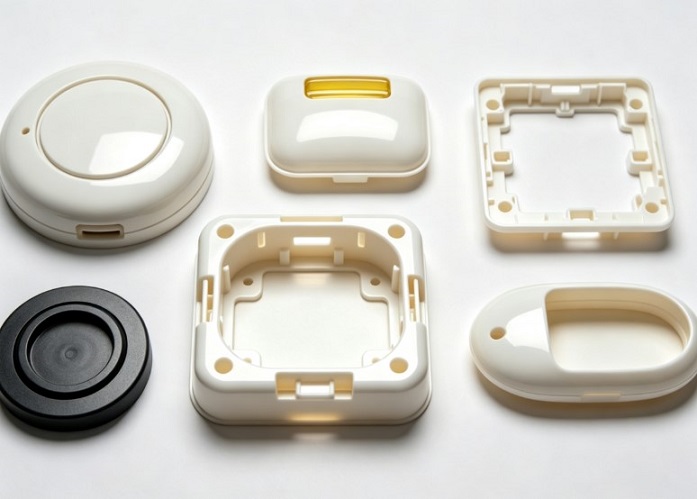
Balancing Cost and Long-Term Value
The lowest price rarely delivers the lowest total cost. You must weigh upfront savings against future expenses. A budget ABS plastic electronic housing kit may cost less initially. That saving disappears when you add sealing compounds, UV-protective coatings, or replacement units after early failure. Polycarbonate enclosures cost more at purchase. They resist impact and heat without extra treatments. For outdoor installations, the premium often pays for itself within one service cycle.
Calculate your true cost across the product's expected life. Include modification time, additional sealing materials, and potential field failures. A modular DIY electronics enclosure kit offers another angle on value. You buy standard components and adjust the layout yourself. This approach reduces tooling costs for prototypes. It also lets you reuse parts across multiple designs. The flexibility translates into savings that a fixed, pre-molded case cannot match.
Consider downtime costs as well. A failed enclosure in a remote location requires a service visit. Travel time, labor, and lost operation hours far exceed any material savings. Reliable enclosures prevent these hidden expenses. Choose a case that matches your environment the first time. That decision protects your budget and your reputation.
Evaluating Brand Support and Warranty
A warranty reveals how much a manufacturer trusts its product. Look for coverage that matches your expected installation life. Ask about the claims process before you commit. A responsive support team saves hours when you need answers quickly. Documentation quality matters too. Clear datasheets and assembly guides reduce your engineering time.
Some brands differentiate through complete kits. Yistar provides comprehensive enclosure packages with tool-free assembly hardware. Their support team responds to technical questions about sizing and material selection. This assistance helps you avoid specification errors. You also gain access to consistent quality across multiple orders. A brand that stands behind its products reduces your procurement risk.
Check whether replacement parts remain available over time. You may need extra gaskets, screws, or mounting brackets years after your initial purchase. Manufacturers with stable product lines offer this security. Read reviews from other engineers about their support experiences. Their insights reveal how a company handles problems. Choose a partner that treats your project as a long-term relationship, not a single transaction.
Your perfect plastic electronic enclosure case kit fits the environment and internal layout, not just a low price. Choose polycarbonate for outdoor exposure and ABS for prototypes. Measure PCB dimensions plus clearance for connectors and standoffs. Match your protection rating to actual conditions. Decide between pre-drilled kits and DIY modifications. Compare upfront costs against long-term reliability.
These enclosures protect your investment when selected thoughtfully. Quality enclosures prevent field failures and reduce maintenance visits. Every assembly deserves a housing that matches its demands. Use this checklist when evaluating your next purchase, whether from Yistar or another supplier. You now have the knowledge to select with confidence.
FAQ
What material works best for outdoor enclosures?
Polycarbonate resists impact and UV exposure better than ABS. These cases withstand temperature swings and sunlight well. An ABS plastic electronic housing kit works for indoor use but needs coatings outdoors.
How do I measure internal dimensions for my PCB?
Measure board width, length, and tallest component height. Add 5 mm to 10 mm clearance on each side. Include standoff height in your depth calculation. Verify connector protrusions fit within the case width.
What is the difference between IP66 and NEMA 4X?
IP66 confirms dust sealing and water jet protection. NEMA 4X includes corrosion resistance against chemicals and salt air. Choose NEMA 4X for corrosive environments. IP66 works well for dust and water only.
Should I choose a pre-drilled kit or modify it myself?
Pre-drilled kits save assembly time for production runs. A modular DIY electronics enclosure kit gives you layout flexibility for prototypes. These enclosures protect your components when sized correctly. Match your choice to design stability.